Blanka Butula
a microbiology graduate who wasn’t afraid to travel to the other side of the world in pursuit of science
An inspiring journey for a microbiologist, filled with international experiences
“During my Erasmus exchange, I discovered how wonderful it is to get to know a different culture and how enriching that experience can be,” says graduate Butula. In this interview, she describes not only how her international experiences have helped her grow, but also her research in Malaysia and the career opportunities that microbiology opens up.

You studied Microbiology at the Department of Experimental Biology, Faculty of Science. What made you decide to study this particular field?
Ever since high school – maybe even earlier – I’ve enjoyed biology.
At first, I was leaning toward zoology because I really love animals and nature. I spent a year at Mendel University studying animal science, where we also took a basic microbiology course. Over time, I realized that animal science wasn’t for me, and also that it’s mostly hard work that isn’t just about a love for animals.
At the same time, I wanted to pursue a more scientific path, and microbiology really intrigued me. That’s why I eventually began studying it at the Faculty of Science at Masaryk University.
I’ve also always felt that a degree in microbiology offers quite versatile career opportunities. I figured that, on the one hand, I’d be able to do research, but on the other hand, I could also work in healthcare if I wanted to.
So you found your calling in microbiology? What did your years of study at the Faculty of Science give you?
I think that if I had to choose a university again, I’d make the same choice. The university campus has excellent facilities for students, high-quality lab equipment, and plenty of research groups. So if you’re interested, you can get involved in interesting practical work even while you’re still a student.
The program was diverse; my bachelor’s program started out broadly as Special Biology, where we covered a wide variety of subjects such as histology, genetics, plant physiology, and chemistry. Chemistry, in particular, gave me – and many of my classmates – a hard time back then, but in the end, I’d say it all provided a solid foundation.
In my master’s program, I enjoyed courses like medical microbiology, and I was also able to take interesting courses from other fields.
I also spent a year on Erasmus in Ghent, Belgium, where I studied for one semester and did an internship in a microbiology lab for the other. It was a great experience that also sparked my passion for travel.
Studying wasn’t easy overall – the pandemic also affected my studies, and I didn’t enjoy every course – but you have to take it in stride, focus on what you enjoy, and maybe even ask your classmates for help – they were always really nice, and together we managed to get through it all.
You mentioned that this field also offers career opportunities in healthcare and that students can take courses related to medicine. You had the chance to experience this sector firsthand during your studies, when you worked in the COVID-19 diagnostic laboratory at Brno University Hospital. What was that experience like for you?
It gave me a taste of the hospital environment and showed me how things work in clinical labs.
A lot of us from my class went there at the time, and we had a great group of people there. I had just returned from my Erasmus exchange when the pandemic really took off here. Suddenly, I had more free time – a lot of things were being done remotely – and I thought to myself that at least I’d be able to do something meaningful, and on top of that, I’d gain some practical experience.
And how much hands-on instruction was there during the program itself?
During our bachelor’s program, we had a little bit of everything – practical exercises in subjects like histology or basic microbiology were required, and for other courses, we could often sign up for practicals as electives. I also enjoyed the elective fieldwork courses in botany and zoology, where we went on field trips to identify birdsong or the flora around Brno.
During my master’s program, practical training was somewhat hampered by COVID-19 and various pandemic restrictions. Fortunately, at that time I was able to work at the faculty as an assistant in the plant physiology lab, and I was also working on my master’s thesis at the Czech Collection of Microorganisms, so I had no shortage of practical experience.
“Travel builds a lot of self-confidence; you stop being afraid and discover just how much you’re capable of”
During your studies, you completed not only an Erasmus exchange but also many other internships abroad. What drew you to foreign countries, and what did each of these stays give you?
Ever since I was little, I’ve been drawn to traveling and exploring the world, but I thought I’d need a lot of money to do that and that I’d probably only get to see some places after I retired – if at all. At first, I looked for cheap flights on my own and would occasionally go somewhere, but short trips weren’t enough for me.
It wasn’t until Erasmus that the doors opened for me – I experienced how interesting it is to stay somewhere longer, practically to live there, and, most importantly, to combine pleasure with practical experience. After that, it just kept going; you want more and more, and I found other opportunities.
I also discovered during my Erasmus exchange how wonderful it is to get to know a different culture and how enriching it can be. Traveling gives you a lot of self-confidence; you stop being afraid and realize just how much you’re capable of.
Now I truly believe that traveling and experiencing new cultures is so much more than just a quick all-inclusive vacation. The main thing is not to be afraid and to give it a try.
How difficult was it to arrange these internships? Did the faculty support you with your study abroad programs?
The faculty definitely supported us; they helped us from the application process all the way through to the final recognition of courses in the Czech Republic. We also attended an informational session led by students who had previously participated in the Erasmus program.
When it came to the paperwork itself, I was a bit shocked by how many things you have to take care of. Above all, it involved communicating with the foreign university; we had to agree on what courses we would take and how many credits they would be worth.
On top of that, I was one of the first students from Masaryk University to go to Ghent, so it came as a bit of a surprise when half of the courses I’d chosen weren’t offered that semester. But everything worked out fine in the end. For me, it was my first major test of independence, but at the same time, it was a great example of how everything can be worked out and there’s no need to panic. The semester went smoothly after that, and I have very fond memories of the Erasmus program, the other international students, and cycling around Belgium.

And what was it like in Malaysia, for example, where you spent more than two years? I imagine life there is quite different from life in Europe.
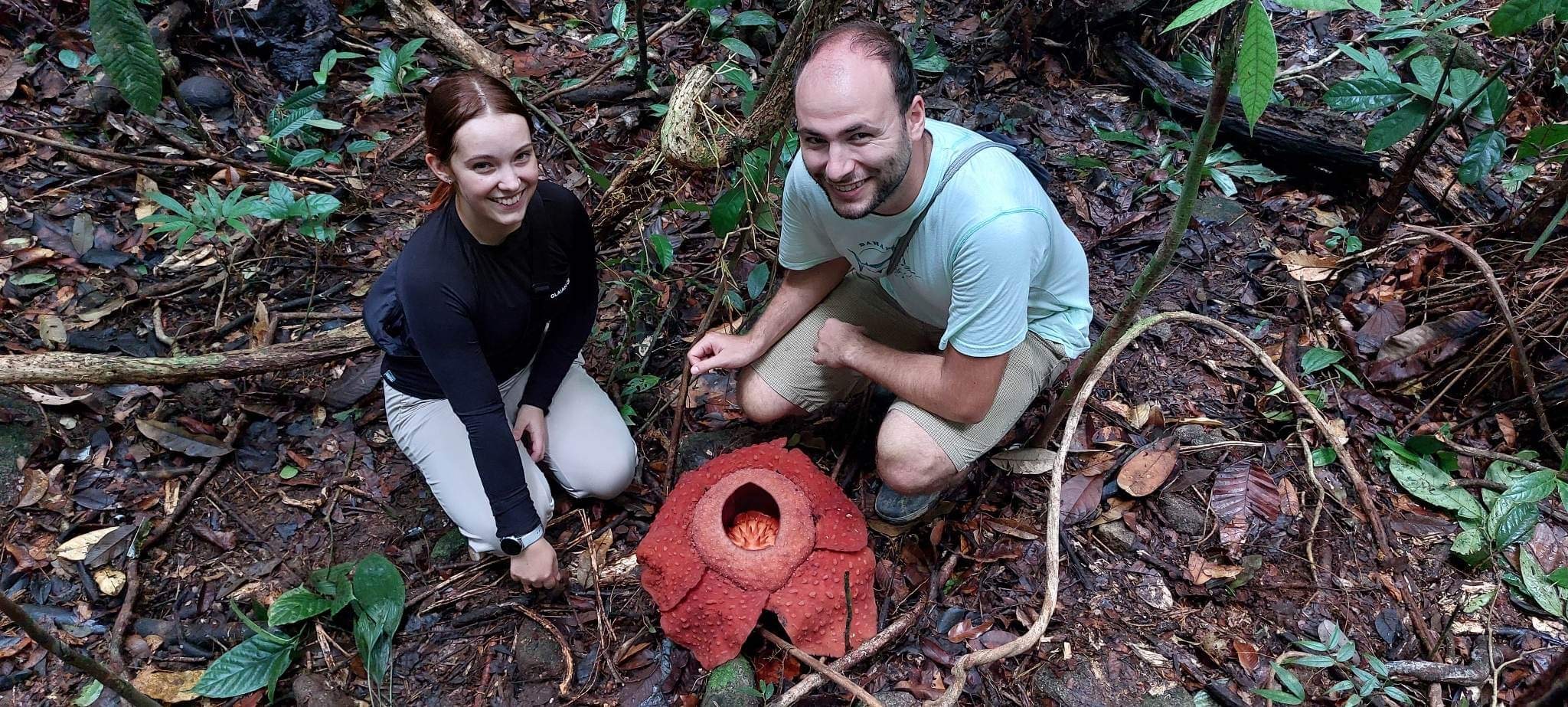
It was a wild experience, but it gave me a lot. I was there with my husband, who was my boyfriend at the time, and I feel that a new culture and a different lifestyle opened our eyes and broadened our worldviews a lot. At the same time, though, I can’t say that we got used to that kind of life or that we completely blended in with the locals.
We would always feel that we were from somewhere else. Even though the locals were really friendly and included us in their celebrations and events, we were always the “others.” People there have a different temperament, which sometimes caused problems at work.
For example, if something broke in the lab, everyone pretended nothing had happened. They don’t like to talk about negative things, so they often just ignore a lot of issues.
Similarly, when we wanted to establish a collaboration with another research institute, instead of rejecting us outright, they simply never got back to us. We really struggled with the fact that they don’t discuss certain things face-to-face.
On the other hand, we really liked their friendliness and laid-back attitude, and of course we enjoyed traveling. That was also a major motivation for us to stay there longer, so we could see other countries in Asia. We’ve always traveled and explored foreign countries during our vacations.
How would you describe what you worked on in Malaysia?
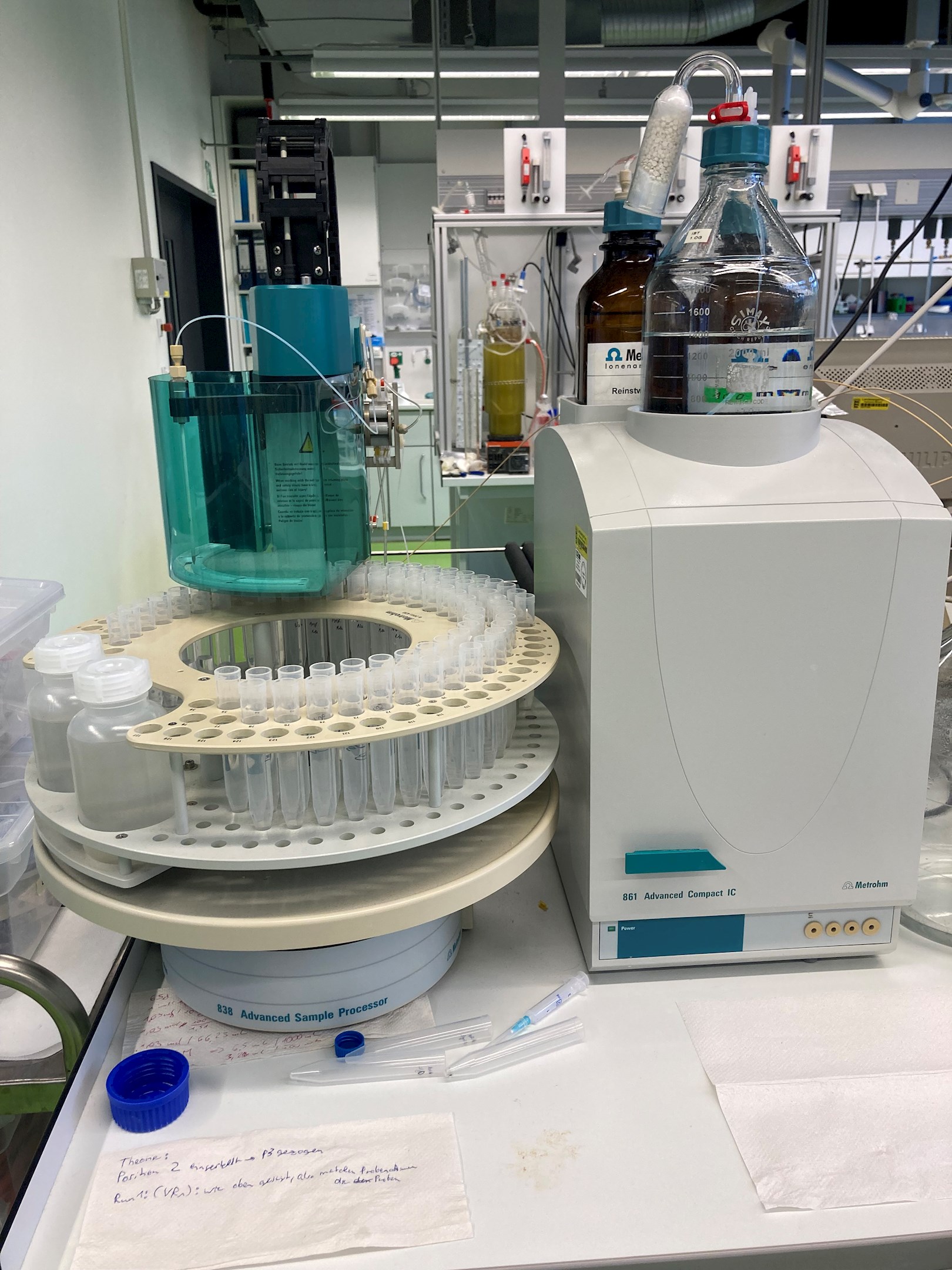
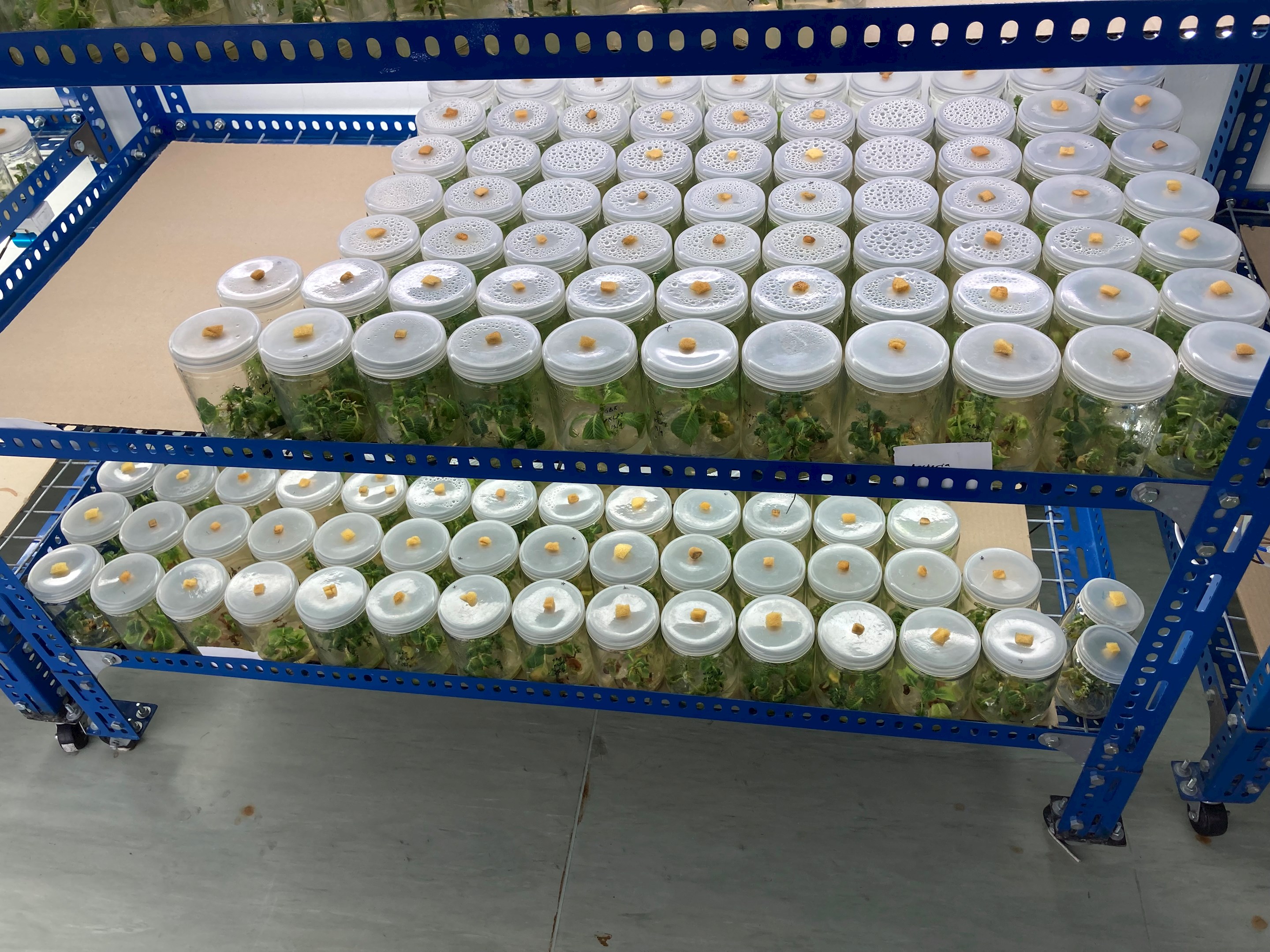
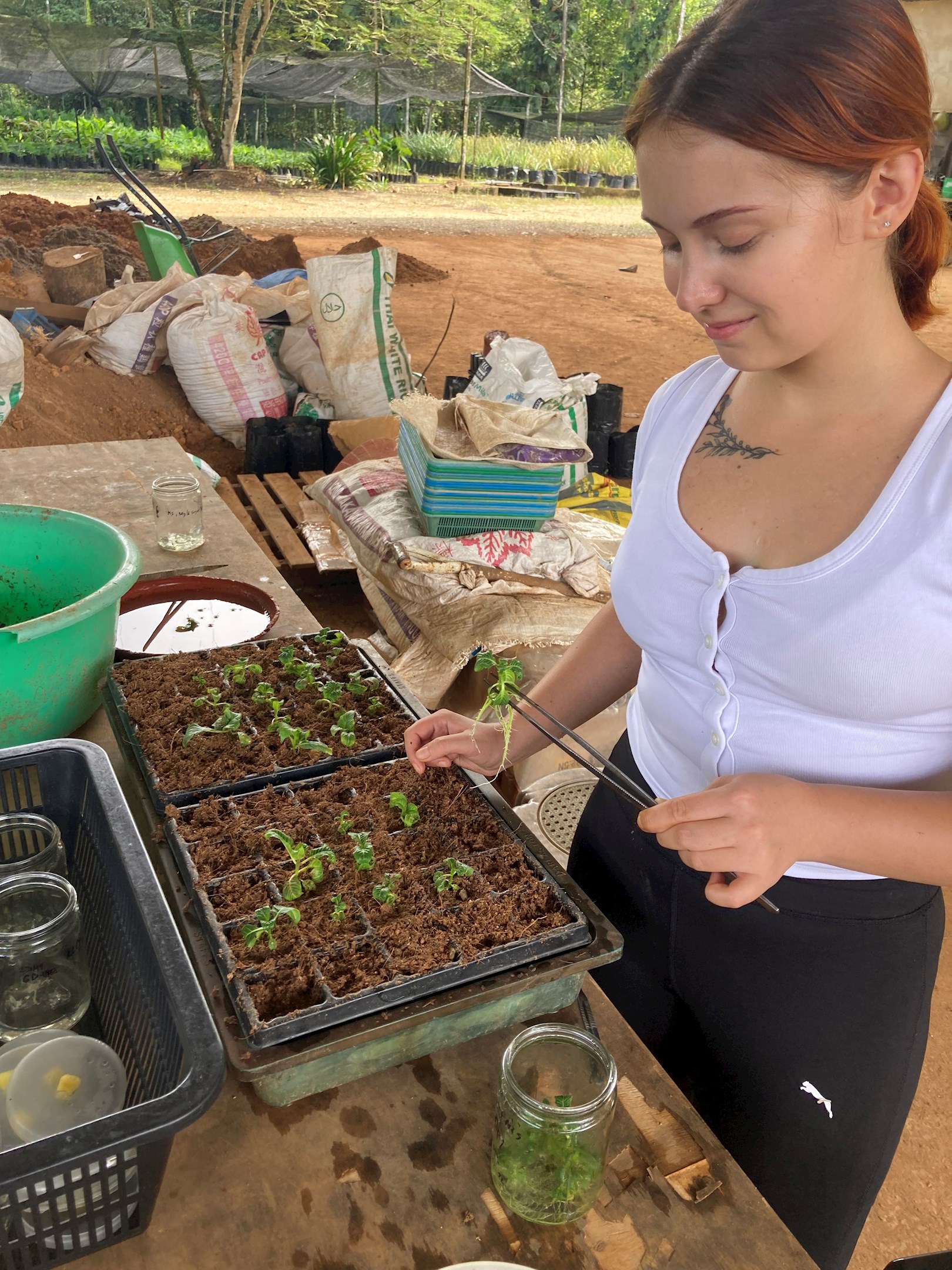
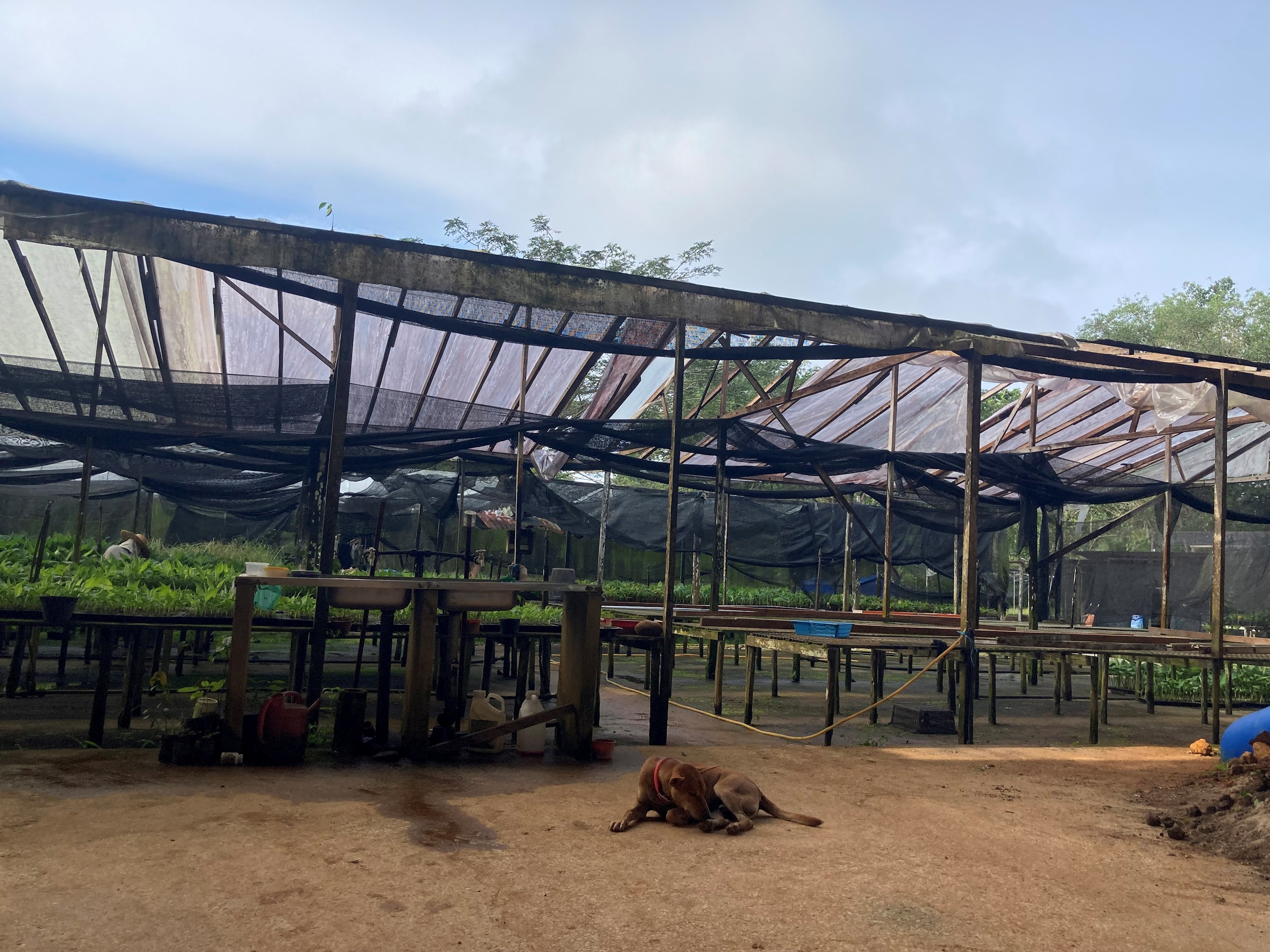
Originally, it was supposed to be an internship at a private company that focuses on tropical crops such as bananas and pineapples, but it also has a laboratory where they’re trying to grow seedlings in vitro for reforestation of empty plantations, such as those formerly used for oil palm cultivation.
We encountered many of the problems caused by oil palms. Not only do the plantations take up space and destroy the soil, but the palms also produce a large amount of waste.
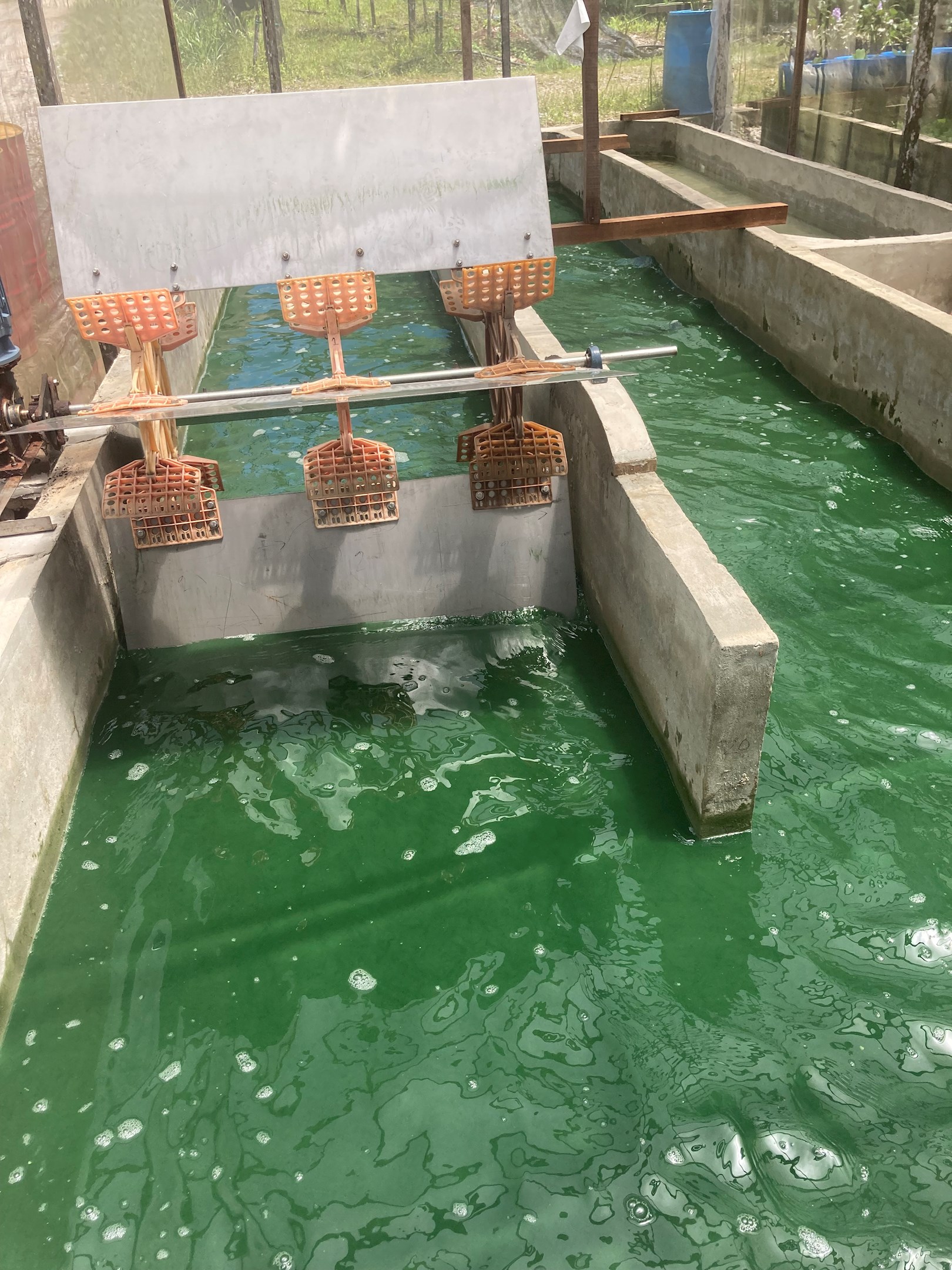
After our internship, the company offered my husband and me full-time jobs – we were growing spirulina, a freshwater cyanobacterium capable of breaking down large amounts of organic waste and thus potentially useful for breaking down oil palm waste as well.
We set up a test tank – a small pool, really – in which we cultivated spirulina, and we actually succeeded in creating a culture medium. The oil palm waste helped with the cultivation of spirulina, and the concentration of substances contained in the waste gradually decreased. This suggested that spirulina could contribute to its biological treatment.
The project remained in the experimental phase because there is a truly large amount of palm waste, and the tanks would have to be huge, which would be technically challenging. However, as far as I know, the spirulina we grew there is still thriving at the company, and they continue to cultivate it.
“Microbes will always be with us, and research on them remains important”
After returning from Malaysia, you also entered the private sector in the Czech Republic. How does the academic environment differ from the private sector?
I’m currently working as a production lab technician in the mineral water production process. I check the composition of the products and perform chemical and microbiological analyses.
It’s very different from research. The pace is faster; you need to see results right away and don’t have time to study things in depth. But I like that the work I do is visible. It’s not as tedious as doing research.
There’s a bit less microbiology involved, though. Science is, let’s say, more exciting for me.
And what are your plans for the future?
After we returned, my husband and I moved to Kroměříž, where we have a house that we’d like to renovate. After all that traveling, I wanted some peace and quiet and finally a real home.
I’m not entirely sure whether I’ll stay in my current position or go back to doing science. I also recently completed a course that qualifies me to work in healthcare, which is something I’d like to try.
Who would you recommend studying microbiology to?
In my opinion, the field might appeal to people who pay attention to detail and aren’t intimidated by long Latin names. I think it’s also good to look at microbiology from the perspective that microbes will always be with us, and research into them remains important. Although we no longer have the plague or cholera in our part of the world, topics like food safety, antibiotic resistance, and microbiome research are very relevant today.
And perhaps if someone doesn’t want to become a doctor per se but is interested in health and the human body, microbiology can also be a way to get involved in healthcare.
Photo: Blanka Butula Archive
Meet
Blanka Butula
Blanka Butula, née Hýžová, currently works as a quality control laboratory technician at Mattoni 1873. She returned to the Czech Republic after spending more than two years in Malaysia, where she organized a pilot project to use oil palm waste for spirulina cultivation.
Career and professional path
She studied microbiology at the Department of Experimental Biology, Faculty of Science, focusing her thesis on the study of non-fermenting bacteria isolated in Antarctica.
During her studies, she gained extensive experience working abroad. She spent a year at Ghent University, where she completed an internship in the Microbiology Laboratory and pursued a master’s program in Biochemistry and Biology.
At Hochschule Biberbach in Germany, she worked on a research project on spirulina cultivation, a topic she subsequently continued to study in a laboratory in Malaysia.